Setúbal history at a glance
Setúbal grew around its harbour on the Sado. The Romans built a trading town here called Cetóbriga, known for fish processing. Later centuries added a church begun in 1490, a fort begun in 1582 and, in the industrial age, canneries that turned the fish catch into a major local trade. Two natives of the town became well known: the poet Bocage and the singer Luísa Todi.
Part of this history can be seen in the centre. The old town page gathers the sights, and a guided walk or a boat trip adds background. Opening hours change, so check them before you go.
Roman Cetóbriga and the fish trade
The oldest layer under the city.
Cetóbriga was a Roman town on the site of today's Setúbal. It was a trading place with fish processing. The tanks in Travessa Frei Gaspar, found in 1979, were used for salted fish products, including garum, the Roman fish sauce. They show that the trade ran inside the town.
Do not mix this up with Tróia. Across the Sado lies a separate, large Roman fish-salting complex, the Ruínas Romanas de Tróia. There you find factory areas, baths, houses and graves, in use until the 6th century. The two sites are different places. The Tróia ruins have seasonal opening, so check before you cross by ferry. The story of the Trojan War has nothing to do with the Portuguese place name. More on the peninsula is on the Tróia page.
Our picks: Setúbal on foot
This guided walk passes the market and the Convento de Jesus church and adds local tastings.
Hand-picked tours, booked through GetYourGuide. Prices are indicative starting prices in euros (as of October 2026). Tap a tour for live availability and the current price in your currency.
Tours and day trips from Setúbal
Guided city walks, dolphin boats in the Sado and trips to Tróia, with live prices and availability.
Church, fort and market: what the town built
Where to see the later history.
Igreja e Convento de Jesus
A Manueline ensemble. Construction began in 1490, and the work is credited to Diogo Boitaca. The museum opens Tuesday to Saturday 10 a.m. to 6 p.m., with Sunday hours that depend on the season, and it is closed on Mondays and public holidays. Entry is €3.60 in 2026, free for under-24s and over-65s, and free on the first Sunday of the month. The church has its own hours, Tuesday to Saturday 10 a.m. to 5 p.m. Do not assume the museum's later closing time applies to the church.
Forte de São Filipe
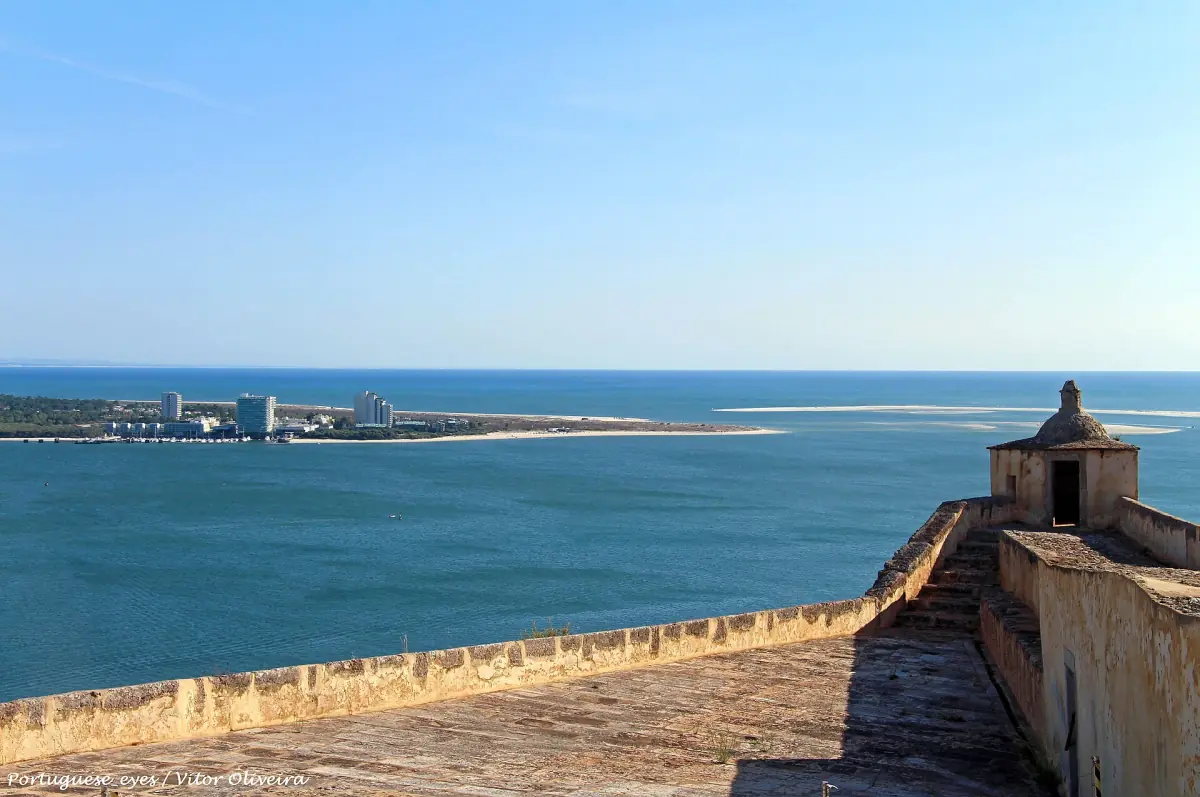
A fortress above the town and the Sado. Work began in 1582, and the chapel has azulejos from 1736. Check the current opening hours before you climb up.
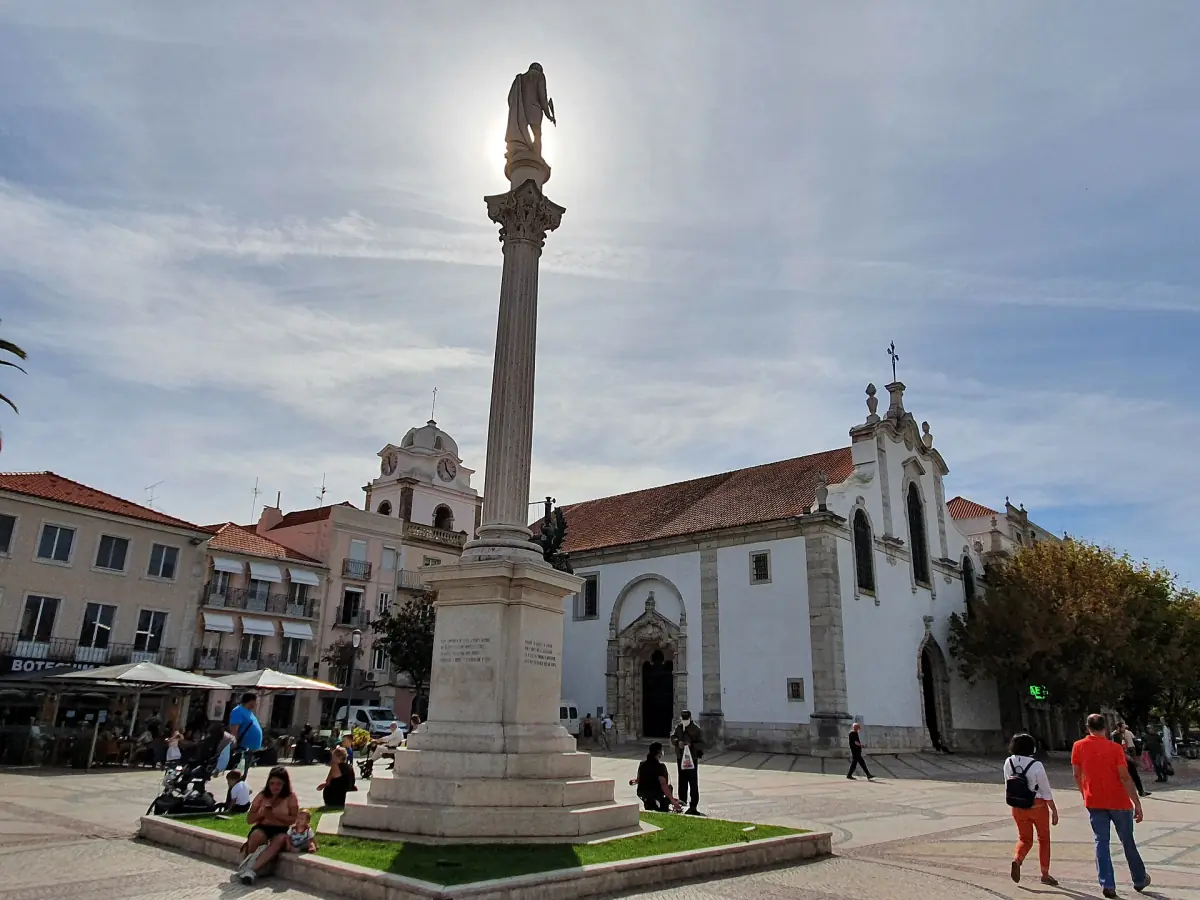
Praça de Bocage
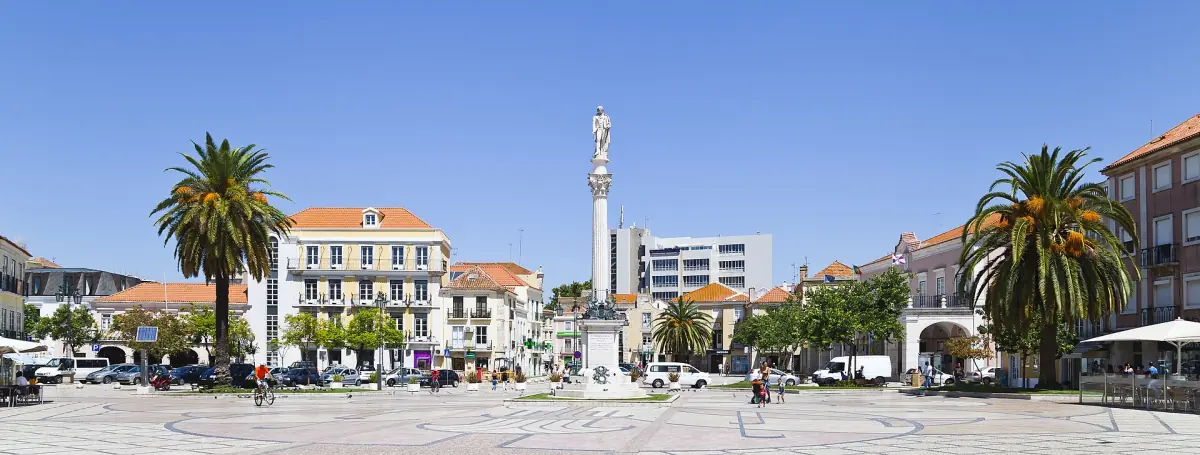
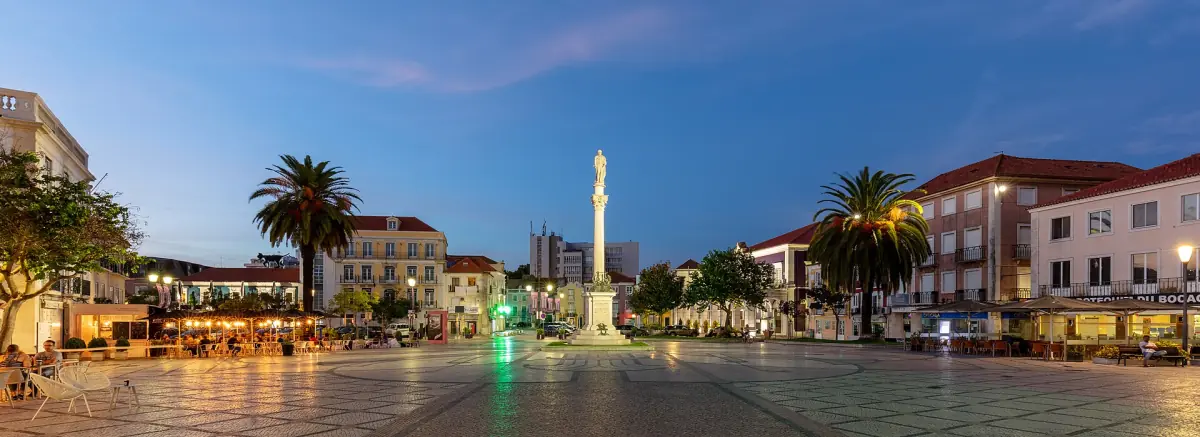
The monument to the poet stands on this square, next to the town hall and the Igreja de São Julião. It was unveiled on 21 December 1871.
Museu do Trabalho Michel Giacometti
The museum sits in a former fish cannery, the Perienes factory. It shows the industrial process and the working life of the cannery workers. It is open Tuesday to Friday 10 a.m. to 6 p.m., closed Sunday, Monday and public holidays. The last entry is 30 minutes before closing. Entry is €2.00 to €2.05 in 2026.
Fish canning and the port
The cannery trade shaped the town in the industrial period. The museum in the former Perienes cannery helps you understand it.
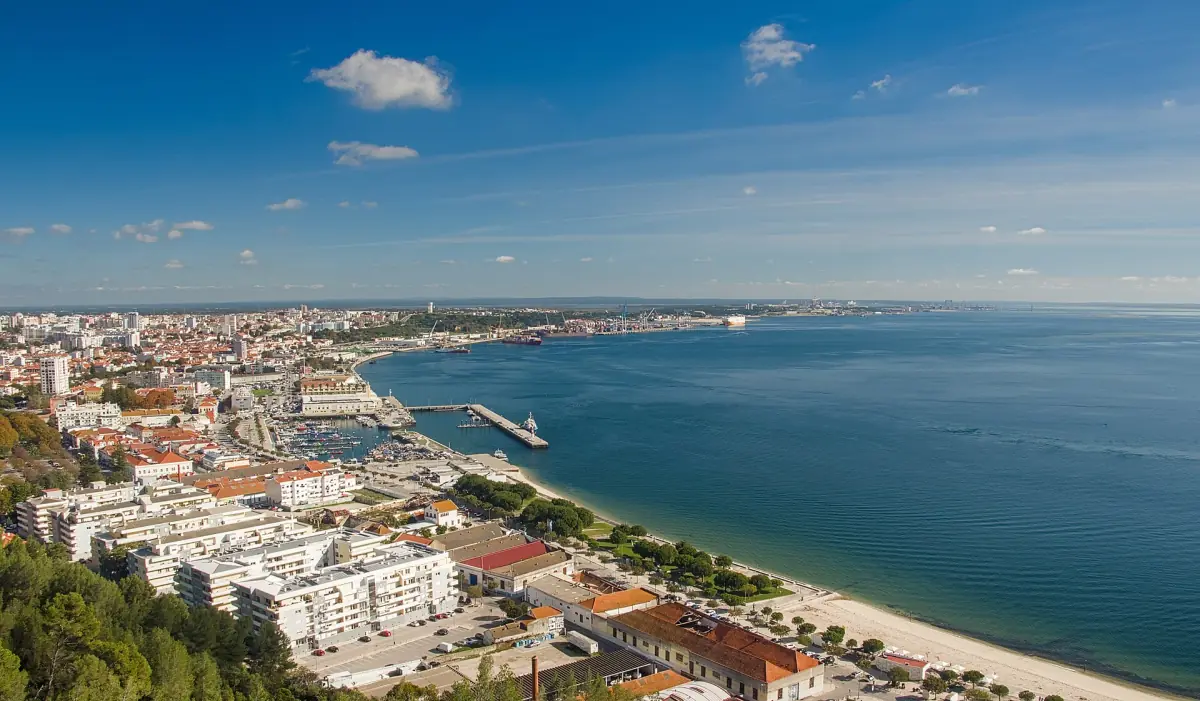
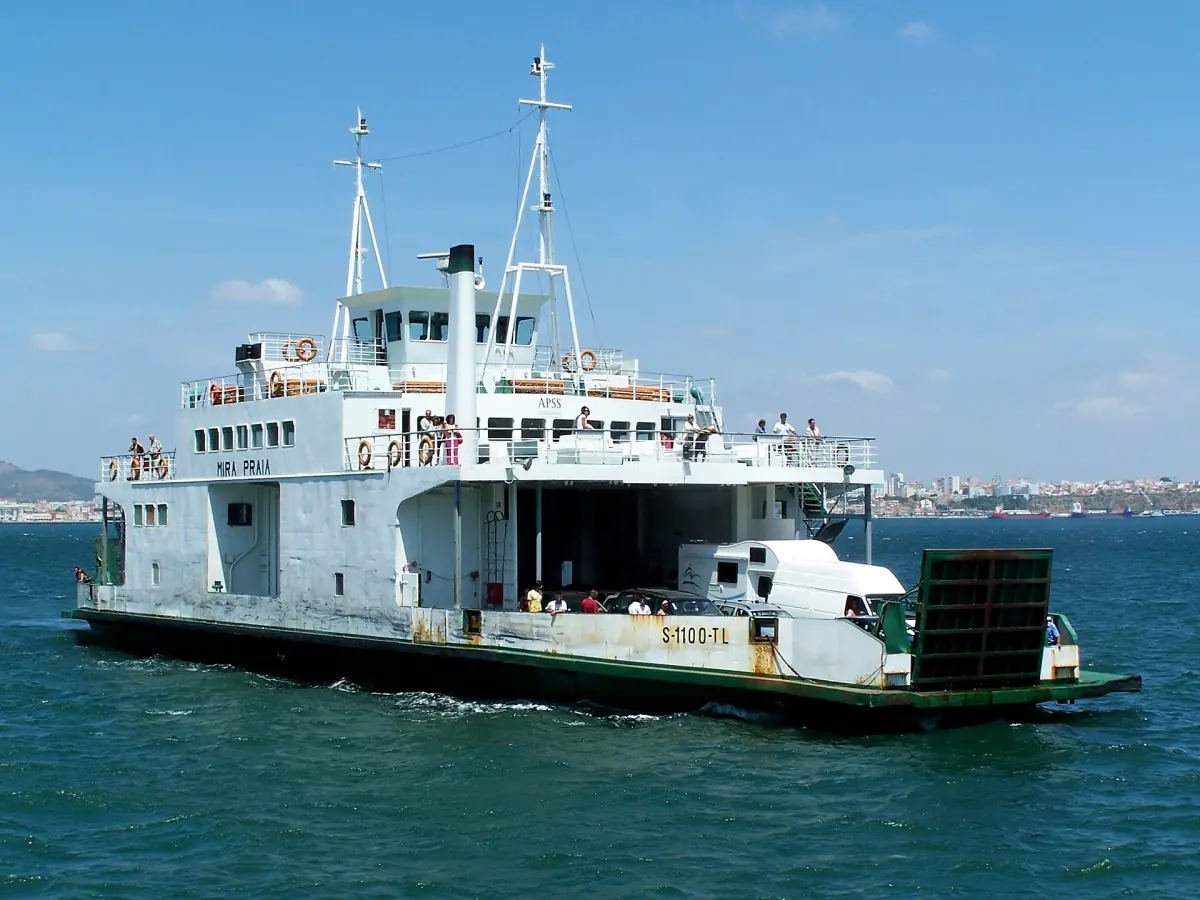
The port on the Sado is still part of the town. The ferry to Tróia leaves from the town side. For the practical side, see the getting there page.
Two famous natives
Manuel Maria Barbosa du Bocage was born in Setúbal on 15 September 1765 and died on 21 December 1805. He is remembered as a poet. Luísa Todi, born on 9 January 1753, was a singer with an international career.
Setúbal timeline
The dates in one place.
| Date | Event | Where to see it |
|---|---|---|
| Roman period | Cetóbriga, trading town with fish processing | Fish-salting tanks, Travessa Frei Gaspar (found 1979) |
| Until the 6th century | Fish-salting complex at Tróia in use | Ruínas Romanas de Tróia, across the Sado |
| 1490 | Start of work on the Igreja de Jesus | Igreja e Convento de Jesus |
| 1582 | Start of work on the Forte de São Filipe | Fort above the town |
| 1736 | Azulejos of the fort chapel | Forte de São Filipe |
| 1765 | Birth of Bocage | Monument in Praça de Bocage (1871) |
| Industrial age | Fish canning | Museu do Trabalho |
For most visitors with half a day: the Igreja de Jesus, the Praça de Bocage and the Museu do Trabalho cover the story best, and the fort completes the visit.
Setúbal history: frequently asked questions
What was Cetóbriga?
A Roman trading town on the site of today's Setúbal, known for fish processing. Fish-salting tanks in Travessa Frei Gaspar, found in 1979, belong to it.
Are the Roman ruins at Tróia the same as Cetóbriga?
No. The Tróia ruins are a separate Roman fish-salting complex across the Sado, in use until the 6th century. Cetóbriga lay on the site of today's Setúbal.
Who was Bocage?
A poet born in Setúbal on 15 September 1765, who died on 21 December 1805. A monument to him stands in Praça de Bocage.
Where can I learn about the fish-canning industry?
At the Museu do Trabalho Michel Giacometti, in a former cannery. It is open Tuesday to Friday 10 a.m. to 6 p.m. and closed on Sundays, Mondays and public holidays.
When was the Forte de São Filipe built?
Work began in 1582. The chapel has azulejos from 1736.